Bookmark and Share
Intraspec.ca Medical — Health & Fitness
Intraspec.ca - Tools for Personal Development
Readings, writings and research on matters of health and well-being.
العربية български čeština Dansk Deutsch ελληνικά/Greek Español Suomi Français हिन्दी Hrvatski עברית Italiano 翻訳 한국말/Korean Lietuvių latviešu Nederlands Norsk Polski Português Română Русский/Russian Svenska українська Dịch 中文 (简体) 中文 (繁體)


NORML

Marijuana News
Science Daily

Last Updated: 29 September 2011
Marijuana

Medical Marijuana
Medicinal and Therapeutic Uses of Cannabis Sativa

This research page presents in-depth information on the medicinal use and therapeutic effects of marijuana in a broad range of diseases, disorders and conditions.  Content has been selected in an effort to consolidate authoritative sources of information for current and prospective users.  State, provincial, and federal legislation governing the use and availability of marijuana is also presented.

We firmly believe that the decision to work with this medicine rests with the individual, notwithstanding legislation to the contrary.

'Gold Standard' Studies Show That Inhaled Cannabis Is Medicine

The results of a series of randomized, placebo-controlled clinical trials assessing the efficacy of inhaled marijuana consistently show that cannabis holds therapeutic value comparable to conventional medications, according to the findings of a 24-page report issued Wednesday to the California state legislature by the California Center for Medicinal Cannabis Research (CMCR).

Four of the five placebo-controlled trials demonstrated that marijuana significantly alleviated neuropathy, a difficult to treat type of pain resulting from nerve damage.

"There is good evidence now that cannabinoids (the active compounds in the marijuana plant) may be either an adjunct or a first-line treatment for ... neuropathy," said Dr. Igor Grant, Director of the CMCR, at a news conference at the state Capitol. He added that the efficacy of smoked marijuana was "very consistent," and that its pain-relieving effects were "comparable to the better existing treatments" presently available by prescription.

A fifth study showed that smoked cannabis reduced the spasticity associated with multiple sclerosis. A separate study conducted by the CMCR established that the vaporization of cannabis – a process that heats the substance to a temperature where active cannabinoid vapors form, but below the point of combustion – is a "safe and effective" delivery mode for patients who desire the rapid onset of action associated with inhalation while avoiding the respiratory risks of smoking.

Two additional clinical trials remain ongoing.

The CMCR program was founded in 2000 following an $8.7 million appropriation from the California state legislature. The studies are some of the first placebo-controlled clinical trials to assess the safety and efficacy of inhaled cannabis as a medicine to take place in over two decades.

Placebo-controlled clinical crossover trials are considered to be the 'gold standard' method for assessing the efficacy of drugs under the US FDA-approval process.

"These scientists created an unparalleled program of systematic research, focused on science-based answers rather than political or social beliefs," said former California Senator John Vasconcellos, who sponsored the legislation in 1999 to launch the CMCR. Vasconcellos called the studies' design "state of art," and suggested that the CMCR's findings "ought to settle the issue" of whether or not medical marijuana is a safe and effective medical treatment for patients.

"This (report) confirms all of the anecdotal evidence – how lives have been saved and pain has been eased," said California Democrat Sen. Mark Leno at the press conference. "Now we have the science to prove it."

The Medicinal Use of Cannabis
This film explains the medical use and working of the Cannabis Sativa plant, also known as marijuana or hemp. Scientists, patients, a family doctor, a pharmacist, an anesthetist and a medicinal Cannabis producer give their views on this versatile plant and its medicinal effects.

In Canada

Medical Marijuana Application Forms & Info, CANADA

4.6Other diseases and symptoms
4.6.1Movement disorders
4.6.1.1Dystonia
4.6.1.2Huntington’s disease
4.6.1.3Parkinson’s disease
4.6.1.4Tourette’s syndrome
4.6.2Glaucoma
4.6.3Asthma
4.6.4Hypertension
4.6.5Psychiatric disorders
4.6.6Alzheimer's disease
4.6.7Inflammation
4.6.7.1Inflammatory bowel disease
4.6.7.2Inflammatory skin diseases
4.6.8Bladder dysfunction
4.6.9Anti-neoplastic properties
5.0Contraindications
6.0Warnings
7.0Precautions
7.1General
7.2Dependence and withdrawal
7.3Drug interactions
7.4Drug screening tests
8.0Adverse Effects
8.1Carcinogenesis and mutagenesis
8.2Respiratory tract
8.3Immune system
8.4Reproductive and endocrine systems
8.5Cardiovascular system
8.6Liver
8.7Central nervous system
8.7.1Cognition
8.7.2Psychomotor performance
8.7.3Psychiatric effects
8.7.3.1Acute reactions
8.7.3.2Depression
8.7.3.3Schizophrenia and psychosis
8.7.3.4Amotivational syndrome
8.8Tolerance and Dependence
9.0Overdose/Toxicity

Emerging Clinical Applications for Cannabis and Cannabinoids:
A Review of the Recent Scientific Literature, 2000 – 2010

Despite the ongoing political debate regarding the legality of medicinal marijuana, clinical investigations of the therapeutic use of cannabinoids are now more prevalent than at any time in history.

Emerging Clinical Applications for Cannabis and Cannabinoids: A Review of the Recent Scientific Literature (Fourth Edition)

For example, in February 2010 investigators at the University of California Center for Medicinal Cannabis Research publicly announced the findings of a series of randomized, placebo-controlled clinical trials on the medical utility of inhaled cannabis. The studies, which utilized the so-called ‘gold standard' FDA clinical trail design, concluded that marijuana ought to be a "first line treatment" for patients with neuropathy and other serious illnesses.

Among the studies conducted by the Center, four assessed smoked marijuana's ability to alleviate neuropathic pain, a notoriously difficult to treat type of nerve-pain associated with cancer, diabetes, HIV/AIDS, spinal cord injury, and many other debilitating conditions. Each of the trials found that cannabis consistently reduced patients' pain levels to a degree that was as good or better than currently available medications.

Another study conducted by the Center's investigators assessed the use of marijuana as a treatment for patients suffering from multiple sclerosis. That study determined that "smoked cannabis was superior to placebo in reducing spasticity and pain in patients with MS, and provided some benefit beyond currently prescribed treatments."

Around the globe similarly controlled trials are also taking place. A 2010 review by researchers in Germany reports that since 2005 there have been 37 controlled studies assessing the safety and efficacy of marijuana and its naturally occurring compounds, involved a total of 2,563 subjects. By contrast, most FDA-approved drugs go through far fewer trials involving far fewer subjects.

While much of the renewed interest in cannabinoid therapeutics is a result of the discovery of the endocannabinoid regulatory system (which we describe in detail later in this booklet), some of this increased attention is also due to the growing body of testimonials from medicinal cannabis patients and their physicians. Nevertheless, despite this influx of anecdotal reports, much of the modern investigation of medicinal cannabis remains limited to preclinical (animal) studies of individual cannabinoids (e.g. THC or cannabidiol) and/or synthetic cannabinoid agonists (e.g., dronabinol or WIN 55,212-2) rather than clinical trial investigations involving whole plant material. Predictably, because of the US government's strong public policy stance against any use of cannabis, the bulk of this modern cannabinoid research is taking place outside the United States.

HOW TO USE THIS REPORT
As states continue to approve legislation enabling the physician-supervised use of medicinal marijuana, more patients with varying disease types are exploring the use of therapeutic cannabis. Many of these patients and their physicians are now discussing this issue for the first time, and are seeking guidance on whether the therapeutic use of cannabis may or may not be advisable. This report seeks to provide this guidance by summarizing the most recently published scientific research (2000-2010) on the therapeutic use of cannabis and cannabinoids for 19 clinical indications:

PDF:
Emerging Clinical Applications for Cannabis and Cannabinoids: A Review of the Recent Scientific Literature (Fourth Edition)

Medical Conditions

Potential Therapeutic Uses of Medical Marijuana

Clinical Applications for Cannabis and Cannabinoids

As clinical research into the therapeutic value of cannabinoids has proliferated — there are now an estimated 20,000 published papers in the scientific literature analyzing marijuana and its constituents — so too has investigators' understanding of cannabis' remarkable capability to combat disease. Whereas researchers in the 1970s, 80s, and 90s primarily assessed cannabis' ability to temporarily alleviate various disease symptoms — such as the nausea associated with cancer chemotherapy — scientists today are exploring the potential role of cannabinoids to modify disease.

Of particular interest, scientists are investigating cannabinoids' capacity to moderate autoimmune disorders such as multiple sclerosis, rheumatoid arthritis, and inflammatory bowel disease, as well as their role in the treatment of neurological disorders such as Alzheimer's disease and amyotrophic lateral sclerosis (a.k.a. Lou Gehrig's disease.) In fact, in 2009 the American Medical Association (AMA) resolved for the first time in the organization's history "that marijuana's status as a federal Schedule I controlled substance be reviewed with the goal of facilitating the conduct of clinical research and development of cannabinoid-based medicines."

Investigators are also studying the anti-cancer activities of cannabis, as a growing body of preclinical and clinical data concludes that cannabinoids can reduce the spread of specific cancer cells via apoptosis (programmed cell death) and by the inhibition of angiogenesis (the formation of new blood vessels). Arguably, these latter trends represent far broader and more significant applications for cannabinoid therapeutics than researchers could have imagined some thirty or even twenty years ago.

THE SAFETY PROFILE OF MEDICAL CANNABIS
Cannabinoids have a remarkable safety record, particularly when compared to other therapeutically active substances. Most significantly, the consumption of marijuana – regardless of quantity or potency -- cannot induce a fatal overdose. According to a 1995 review prepared for the World Health Organization, “There are no recorded cases of overdose fatalities attributed to cannabis, and the estimated lethal dose for humans extrapolated from animal studies is so high that it cannot be achieved by … users.”

In 2008, investigators at McGill University Health Centre and McGill University in Montreal and the University of British Columbia in Vancouver reviewed 23 clinical investigations of medicinal cannabinoid drugs (typically oral THC or liquid cannabis extracts) and eight observational studies conducted between 1966 and 2007. Investigators "did not find a higher incidence rate of serious adverse events associated with medical cannabinoid use" compared to non-using controls over these four decades.

That said, cannabis should not necessarily be viewed as a ‘harmless’ substance. Its active constituents may produce a variety of physiological and euphoric effects. As a result, there may be some populations that are susceptible to increased risks from the use of cannabis, such as adolescents, pregnant or nursing mothers, and patients who have a family history of mental illness. Patients with Hepatitis C, decreased lung function (such as chronic obstructive pulmonary disease), or who have a history of heart disease or stroke may also be at a greater risk of experiencing adverse side effects from marijuana. As with any medication, patients should consult thoroughly with their physician before deciding whether the medicinal use of cannabis is safe and appropriate. [...]

Find Clinical Studies and Case Reports

Search the databases at the
National Center for Biotechnology Information (NCBI)
for recent research.
Search   for

In the News; Recent Studies...

[...] As it stands today, the vast majority of physicians feel unable to counsel patients regarding the use of marijuana given the lack of information regarding dosage; marijuana's interaction with other drugs, its impact on other pre-existing medical conditions, and on possible long-term health hazards. There remains scant evidence regarding the effectiveness of the herbal form of marijuana (e.g. smoked) as accessed through Health Canada's MMAR program. [...]

[...] The Canadian Medical Association is not pleased with that provision - and it has come under fire in the courts as well.

The Liberal government of the day introduced the Marihuana Medical Access Regulations after it was established that Canadians have the right under the Canadian Charter of Rights and Freedoms to possess and smoke marijuana to treat their illnesses. The law has been subject to many legal challenges, including a case the Ontario Superior Court heard last January and February, R v. Mernagh. The judge issued his ruling on April 11, 2011.

R v. Mernagh
A St. Catharine's, Ont., man took the federal government to court after he was arrested for growing and possessing marijuana. Matthew Mernagh has a variety of illnesses including fibromyalgia, scoliosis, seizures and depression. Prescription pills didn't work. And after being unable to find doctors willing to prescribe medical marijuana, he grew his own and was charged with the production of marijuana.

Mernagh was joined by 21 witnesses, all of whom testified about the problems they experienced finding a doctor.

In his ruling in favour of Mernagh, the judge gave examples of the difficulties medical marijuana users faced in acquiring the drug, including a man in his 60s identified by the initials "WW" who suffered from Lyme Disease. [...]

Health Canada began two days of closed-door talks Wednesday about changes to the controversial medical marijuana law that has faced legal challenges and criticism for being ineffective.

But even as meetings get underway in Ottawa, there are concerns Health Canada is on the wrong track with a law that asks doctors to ignore a sworn obligation to protect patients’ health, while forcing patients to go to great lengths to obtain a drug that many say eases their pain.

Health Canada will hear from representatives of provincial and territorial ministries, medical associations, police forces, municipalities and users of medical marijuana.

Under the "Marihuana Medical Access Program," the obtaining of medical marijuana depends on doctors issuing an approval or "declaration" confirming that the cannabis will be smoked to ease pain, nausea or other symptoms associated with an illness.

But physicians have long resisted this so-called gatekeeper role, arguing that there is insufficient proof that medical marijuana actually works.

"Smoking something seems really counterintuitive when we have a vast array of evidence going back 50 or 60 years on the deleterious effects of tobacco smoke," John Haggie, president of the Canadian Medical Association, told CBC News. [...]

In addition to court challenges, Health Canada has also faced problems managing the program. In a 2010 internal briefing note CBC News obtained through Access to Information, there is a discussion of backlogs, in part due to the greater number of people who manage to find a consenting physician.

"While the program was originally intended to authorize access for a small number of persons, it was never anticipated that applications to produce [marijuana] in individual personal residences would number in the thousands. The number of authorized persons under the program has increased since 2005 from 805 to 5,183."

In its emailed response to CBC News, the department says that as of Sept. 25, 2011, there are "12,264 individuals who hold a valid authorization to possess marihuana for medical purposes."

But according to critics, that figure underestimates the real number of Canadians who may be using medical marijuana.

The judge in the Mernagh case concluded that the number of doctors signing demands is a "trickle" compared with the actual number of people who actually need treatment.

The judge also cited a study that concluded there are about 400,000 medical marijuana users in Canada, which he concluded was "most likely an underestimate."

That number is hard to verify, as neither Health Canada nor the CMA tracks individuals who are unable to find a doctor willing to sign declaration forms.


CANNABIS CULTURE - Opposition is growing to Bill S-10, the Conservative-proposed legislation that would bring mandatory minimum sentencing for marijuana offences to Canada, with the release of a new letter from medical and scientific professionals asking the government to support "evidence-based drug policies".

Researchers at the Urban Health Research Initiative (UHRI), a program of the British Columbia Centre for Excellence in HIV/AIDS, have released a letter voicing concerns about Bill S-10, federal drug legislation they say is "not scientifically grounded and which research demonstrates may actually contribute to health and social harms in our communities."

"The federal government of Canada is currently considering Bill S-10, which proposes legislative amendments that, among other things, would introduce mandatory minimum prison sentences for certain drug-related offences," the UHRI website says. "Research clearly demonstrates that mandatory minimum sentences are extremely expensive to the taxpayer and do not meaningfully improve public health and safety nor reduce drug use or crime in our communities."

The group, made up of medical doctors and drug policy experts, is asking for public support and inviting "other concerned health practitioners, scientists, researchers and academics" in Canada to sign the letter to support "evidence-based drug prevention and treatment initiatives" and oppose "the introduction of costly and ineffective mandatory minimum sentencing." [...]

Voice your opposition to costly mandatory minimum sentencing
Sign to support evidence-based drug policy

The federal government of Canada is currently considering Bill S-10, which proposes legislative amendments that, among other things, would introduce mandatory minimum prison sentences for certain drug-related offences. Research clearly demonstrates that mandatory minimum sentences are extremely expensive to the taxpayer and do not meaningfully improve public health and safety nor reduce drug use or crime in our communities.

We invite other concerned health practitioners, scientists, researchers and academics in Canada to join us in supporting evidence-based drug prevention and treatment initiatives and opposing the introduction of costly and ineffective mandatory minimum sentencing legislation, by signing the letter below. Thank you!

Right Hon. Stephen Harper, Prime Minister, Leader of the Conservative Party of Canada
Hon. Michael Ignatieff, Leader of the Liberal Party of Canada
Hon. Jack Layton, Leader of the New Democratic Party of Canada
Mr. Gilles Duceppe, Leader of the Bloc Québécois
House of Commons
Parliament Buildings
Ottawa, Ontario K1A 0A6

Dear Sirs:

Re: Opposition to Bill S-10, the Penalties for Organized Crime Act

We, the undersigned, are concerned that the federal government is pursuing significant amendments to federal drug legislation, through Bill S-10, which are not scientifically grounded and which research demonstrates may actually contribute to health and social harms in our communities. We join with other individuals and community groups that have previously expressed concerns in their testimony to various Committees and in open letters, and we outline our key concerns, in brief, below.

We oppose Bill S-10

We are extremely concerned that Bill S-10 will exacerbate drug use challenges and related health and social harms in Canadian communities. Specifically, we are concerned that:

  1. There is no evidence that mandatory minimum sentences will reduce drug use or deter crime. Research from the United States demonstrates that mandatory minimum penalties are a considerable burden on the taxpayer and are not effective in reducing drug use or drug-related crime. It is especially concerning that while several states in the US, such as New York, Washington, Texas, Connecticut and Maine, are now repealing and moving away from costly and ineffective mandatory minimum sentencing legislation, Canada is moving towards this failed and expensive policy approach.
  2. Mandatory minimum sentences have a disproportionately negative impact on youth and Aboriginal persons. In Canada, mandatory minimum sentences will most negatively affect Aboriginal people, and particularly youth, who already face elevated risks related to and harms associated with substance abuse, are at increased risk of HIV infection and are disproportionately incarcerated. Over the last three decades, the proportion of Aboriginal persons admitted into correctional institutions in Canada has doubled from 9% to 18%, despite only representing 3% of the total population of Canada. Bill S-10’s emphasis on mandatory minimum sentences will likely lead to worsening drug-related harms experienced by Aboriginal persons, and does nothing to address the underlying causes contributing to these unacceptable disparities.
  3. Policies that over-emphasize drug law enforcement have a negative impact on public health and rates of HIV. According to the Correctional Service of Canada, approximately one in twenty inmates is already HIV-positive and one in three has hepatitis C (HCV). Rates of infectious diseases continue to climb among this population. The House of Commons Standing Committee on Public Safety and National Security recently raised concerns regarding the inadequate level of care and supports for inmates who suffer from mental health and addictions challenges, and stressed that community resources should be augmented to avoid incarcerating this population in the first place. The pending legislation, if implemented, will result in additional prison overcrowding and can be expected to contribute to further increased HIV and HCV risk behaviour in prison. This has serious implications for public health, given that most inmates will be released and reintegrated into the community. It also has implications for healthcare budgets, as the average health costs of each case of HIV infection are estimated to be $250,000.
  4. Mandatory minimum sentences are expensive and ineffective. Although the government has not produced detailed budget estimates regarding the potential cost of implementing mandatory minimum sentences, similar sentencing regimes introduced in the United States have cost taxpayers billions of dollars. During these difficult economic times, this raises the question of why the federal government proposes to spend scarce financial resources on policies that have been shown to be expensive, ineffective and harmful. The reasons given by US jurisdictions for moving away from mandatory minimum sentencing legislation are the extreme costs to taxpayers, the ineffectiveness of this approach, and the resulting disproportionate harms to ethnic minority communities.

We support evidence-based drug policies

The Legislative Summary for Bill S-10 outlines no evidence supporting mandatory minimum sentences as an effective means of improving public health and community safety, or deterring crime. We support the goal of improving community health and safety through evidence-based drug policies, which includes expanding drug prevention and treatment initiatives. We encourage you to use the recommendations of the World Health Organization and the Vienna Declaration, a scientific statement endorsed by leading scientists, researchers and health professionals around the world, to guide Canada’s drug policy.

We share the government’s commitment to addressing the challenges of substance abuse but do not support the implementation of non-evidence-based policies, such as Bill S-10, which place an enormous burden on taxpayers and will cause considerable health-related harms, while failing to improve community health and safety.

We are calling on the federal government to demonstrate leadership in addressing these challenging issues by abandoning Bill S-10 and pursuing an evidence-based policy approach that moves away from ineffective and costly incarceration schemes for non-violent drug offenders and towards evidence-based modalities. We invite you to work together with the public health community to develop scientifically grounded policies that meaningfully address drug-related health and social harms, are fiscally responsible, and are “smart on crime.”

We look forward to your response.

Signed,

[list of signatories]

Cc: Members of Parliament of Canada


London, United Kingdom: British health regulators on Friday approved the sale and marketing of Sativex, an oral spray consisting of natural cannabis extracts (primarily the plant cannabinoids THC and cannabidiol aka CBD) as a treatment for symptoms of multiple sclerosis (MS).

The spray, which has been legally available to patients in Canada since 2005, went on sale in Britain on Monday. The drug will be marketed in the United Kingdom by the Bayer Corporation which estimates that Sativex will cost the country's state-run National Health Service roughly £11, or about $16, a day for each patient. [...]

Age at onset of psychosis was not different in patients with lifetime cannabis use compared to non-users. By contrast, the first psychotic episode occurred 2.6 yr earlier in CS [Cannabis Sensitive] compared to Non-cannabis-sensitive (NCS) patients (p=0.006). Moreover, a specific excess of family history of psychotic disorder was found in CS patients, but not of any other psychiatric disorder, as well as an earlier age at exposure to cannabis (16.7+/-2.5 yr, p=0.03). Sensitivity to psychotogenic effects of cannabis in schizophrenia patients could be related to both genetic vulnerability to schizophrenia and the influence of cannabis on brain maturation and could modulate the influence of cannabis on the onset of schizophrenia.

Although cannabis use precedes the onset of illness in most patients, there was no significant association between onset of illness and CUD [Cannabis Use Disorder] that was not accounted for by demographic and clinical variables. Previous studies implicating CUD in the onset of schizophrenia may need to more comprehensively assess the relationship between CUD and schizophrenia, and take into account additional variables that we found associated with CUD.

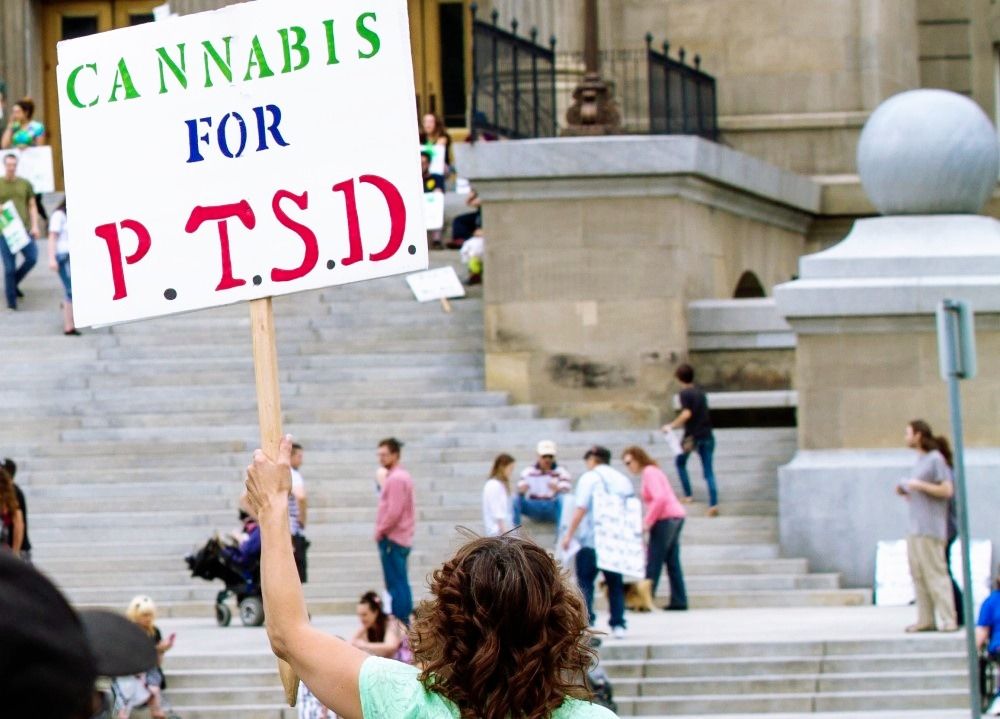
Israel has been testing treating their soldiers who suffer from Post Traumatic Stress Disorder (PTSD) with medical marijuana, and having positive results. My wife and I have medical marijuana licences from Health Canada for PTSD.

Canadian soldiers would be eligible for such treatment under Health Canada's medical marijuana program, but it likely wouldn't be compatible with the Canadian Forces' zero tolerance policy on drug use. [...] [Read more]


Selected Reports and Academic Presentations


Medical Marijuana Briefing Paper - 2010

For thousands of years, marijuana has been used to treat a wide variety of ailments. Until 1937, marijuana (Cannabis sativa L.) was legal in the United States for all purposes. Presently, federal law allows only four Americans to use marijuana as a medicine.

On March 17, 1999, the National Academy of Sciences' Institute of Medicine (IOM) concluded that "there are some limited circumstances in which we recommend smoking marijuana for medical uses." The IOM report, the result of two years of research that was funded by the White House drug policy office, analyzed all existing data on marijuana's therapeutic uses. [...]

MEDICAL VALUE

Marijuana is one of the safest therapeutically active substances known. No one has ever died from an overdose, and it has a wide variety of therapeutic applications, including:

  • Relief from nausea and appetite loss;
  • Reduction of intraocular (within the eye) pressure;
  • Reduction of muscle spasms; and
  • Relief from chronic pain.

Marijuana is frequently beneficial in the treatment of the following conditions:

AIDS. Marijuana can reduce the nausea, vomiting, and loss of appetite caused by the ailment itself and by various AIDS medications. Observational research has found that by relieving these side effects, medical marijuana increases the ability of patients to stay on life-extending treatment. (See also CHRONIC PAIN below.)

HEPATITIS C. As with AIDS, marijuana can relieve the nausea and vomiting caused by treatments for hepatitis C. In a study published in the September 2006 European Journal of Gastroenterology & Hepatology, patients using marijuana were better able to complete their medication regimens, leading to a 300% improvement in treatment success.

GLAUCOMA. Marijuana can reduce intraocular pressure, alleviating the pain and slowing—and sometimes stopping — damage to the eyes. (Glaucoma is the leading cause of blindness in the United States. It damages vision by increasing eye pressure over time.)

CANCER. Marijuana can stimulate the appetite and alleviate nausea and vomiting, which are common side effects of chemotherapy treatment.

MULTIPLE SCLEROSIS. Marijuana can limit the muscle pain and spasticity caused by the disease, as well as relieving tremor and unsteadiness of gait. (Multiple sclerosis is the leading cause of neurological disability among young and middle-aged adults in the United States.)

EPILEPSY. Marijuana can prevent epileptic seizures in some patients.

CHRONIC PAIN. Marijuana can alleviate chronic, often debilitating pain caused by myriad disorders and injuries. Since 2007, three published clinical trials have found that marijuana effectively relieves neuropathic pain (pain cause by nerve injury), a particularly hard to treat type of pain that afflicts millions suffering from diabetes, HIV/AIDS, multiple sclerosis, and other illnesses.

Each of these applications has been deemed legitimate by at least one court, legislature, and/or government agency in the United States.

Many patients also report that marijuana is useful for treating arthritis, migraine, menstrual cramps, alcohol and opiate addiction, and depression and other debilitating mood disorders.

Marijuana could be helpful for millions of patients in the United States. Nevertheless, other than for the four people with special permission from the federal government, medical marijuana remains illegal under federal law!

People currently suffering from any of the conditions mentioned above, for whom the legal medical options have proven unsafe or ineffective, have two options:

  1. Continue to suffer without effective treatment; or
  2. Illegally obtain marijuana — and risk suffering consequences directly related to its illegality, such as:
    • an insufficient supply due to the prohibition-inflated price or scarcity; impure, contaminated, or chemically adulterated marijuana;
    • arrests, fines, court costs, property forfeiture, incarceration, probation, and criminal records.
    [Read More]

See also:
The Emperor Wears No Clothes

Warning:
This writer, responsible scientists and doctors advise:
There is no pharmacological free lunch in cannabis or any drug. Negative reactions can result. A small percentage of people have negative or allergic reactions to marijuana. Heart patients could have problems, even though cannabis generally relieves stress, dilates the arteries, and in general lowers the diastolic pressure. A small percentage of people get especially high heart rates and anxieties with cannabis. These persons should not use it. Some bronchial asthma sufferers benefit from cannabis; however, for others it may serve as an additional irritant.

For the overwhelming majority of people, cannabis has demonstrated literally hundreds of therapeutic uses... [Read more]

Jack Herer, The Emperor Wears No Clothes, Chapter 7, Therapeutic Use of Cannabis

Medical Marijuana pro/con

This Web site is an excellent resource on the medical use of marijuana, presenting, 'in an unbiased, primarily pro/con format, responses to the related and core question: "Should marijuana be a medical option now?"' Here you can find information on the medical value and use of marijuana, the medical risks of use, diseases and conditions in which marijuana is used, U.S. government policies and medical marijuana, legal issues, and non-smoked marijuana. There's also a fascinating section that provides a three-part overview of the history of marijuana as medicine, from 2737 B.C. to the present.

Source: Therapeutic Uses of Marijuana
Medical Marijuna Information Resource Centre

Cannabis and cannabinoid drugs (e.g. Marinol, Cesamet, etc.) are used to successfully  treat a wide range of disorders and symptoms. Clinical evidence for specific disease conditions ranges from anecdotal reports to peer reviewed randomized controlled double blind trials.  A non-exhaustive selection of the disease conditions for which cannabis and cannabinoids may be useful in symptomatic management and/or for improving the quality include:

Cannabis Vaporization

Vaporization is a technique for avoiding irritating respiratory toxins in marijuana smoke by heating cannabis to a temperature where the psychoactive ingredients evaporate without causing combustion.

Laboratory studies by California NORML and MAPS have found that vaporizers can efficiently deliver cannabinoids while eliminating or drastically reducing other smoke toxins.

Like tobacco, marijuana smoke contains toxins that are known to be hazardous to the respiratory system. Among them are the highly carcinogenic polynuclear aromatic hydrocarbons, a prime suspect in cigarette-related cancers. These toxins are essentially a byproduct of combustion, separate from the pharmaceutically active components of marijuana, known as cannabinoids, which include THC. Although there is no proof that marijuana smoking causes cancer, chronic pot smokers have been shown to suffer an elevated risk of bronchitis and respiratory infections. Respiratory disease due to smoking may therefore rightly be regarded as the primary physiological hazard of marijuana.

Cannabis vaporizers are designed to let users inhale active cannabinoids while avoiding harmful smoke toxins. They do so by heating cannabis to a temperature of 180 - 200° C (356° - 392° F), just below the point of combustion where smoke is produced. At this point, THC and other medically active cannabinoids are emitted with little or none of the carcinogenic tars and noxious gases found in smoke. Many medical marijuana patients who find smoked marijuana highly irritating report effective relief inhaling through vaporizers. Users who are concerned about the respiratory hazards of smoking are strongly advised to use vaporizers. Alternative devices, such as waterpipes, have been shown to be ineffective at reducing the tars in marijuana smoke (Report).

Many models of vaporizer are currently on the market. A review of the various types can be found at www.vaporinfo.com. [...]


Intraspec.ca : Tools for Personal Development — Readings, writings and research on matters of health and well-being.
Richard Dagan.  2002-2012.  A not-for-profit site.

Creative Commons License

All site content, except where otherwise noted, is licensed under a Creative Commons Attribution-NonCommercial-ShareAlike 3.0 Unported License.
Exceptions, where copyright resides with the original author or current holder thereof, include all excerpted text and third-party images provided herein.
All such material is presented in accord with fair dealing and fair use, fully cited, and hyperlinked to source whenever possible. Logos and trademarks are the property of their respective owners. Country flags courtesy ConveyThis. Translation service courtesy Google.com. For privacy and legal notices, see About.

Lunarpages.com Web Hosting Interrobang: our pick for Punctuation Mark of the Year 2012, year of the Water Dragon.